
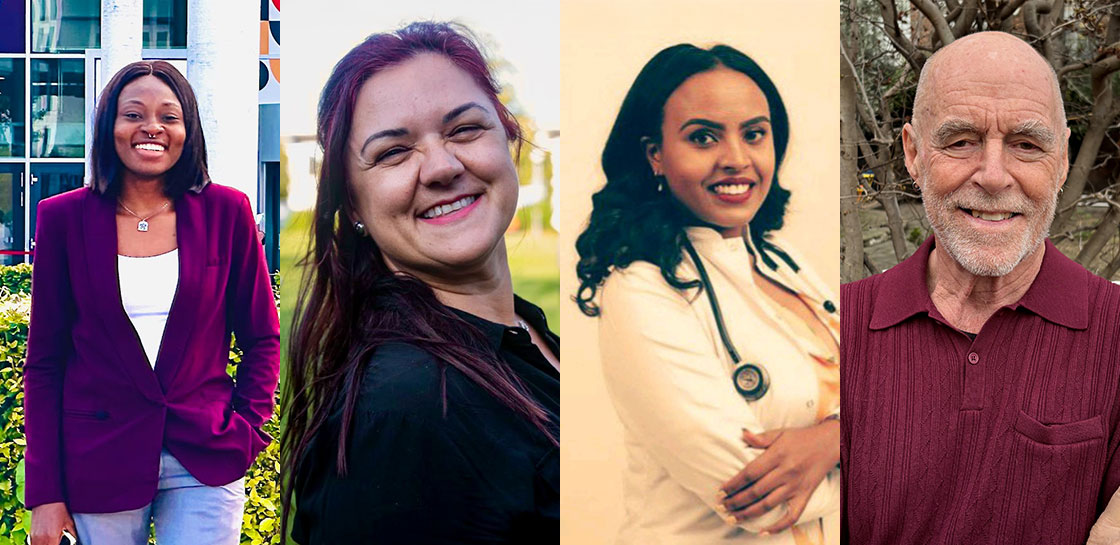
In July 2024, 865 HIV professionals from 101 countries came together at AIDS 2024, the 25th International AIDS Conference, on a scholarship funded by IAS – the International AIDS Society. Since then, they’ve been turning their knowledge from AIDS 2024 into action in communities around the world. What insights did they gain at AIDS 2024? And how are they applying those insights in their work today? We caught up with four scholarship alumni to hear their stories.
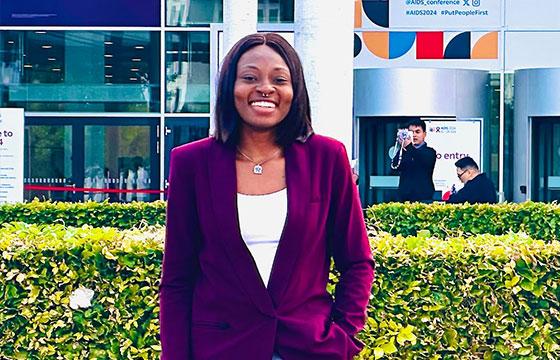
Monica Gbuchie
Country: Nigeria
Occupation: Medical doctor, public health professional at Act4Her Health Initiative (A4HI)
What was it like attending your first AIDS conference? What surprised you the most?
Attending my first AIDS conference was truly an eye-opening experience. What surprised me most was the level of innovation in HIV prevention and treatment, particularly the focus on long-acting PrEP and the integration of mental health services. I also didn’t expect such a strong emphasis on community-driven solutions – seeing grassroots organizations take the lead in shaping the global HIV response was truly impactful.
What was the most valuable insight you took away from AIDS 2024?
At the conference, I gained a deeper insight into the consequences of stigma surrounding HIV testing, diagnosis and treatment, particularly how it leads to mental health challenges.
Since then, I have been advocating for stigma-free and accessible healthcare services for isolated groups, like offshore workers in the Niger Delta, ensuring that they have access to confidential HIV testing and counselling. I have also expanded my focus to working more with key populations, including sex workers, identifying and addressing gaps in sexual health and HIV prevention. Additionally, I have integrated mental health considerations into my nonprofit’s sexual health programmes, recognizing that emotional well-being is critical to sustained HIV care and prevention efforts.
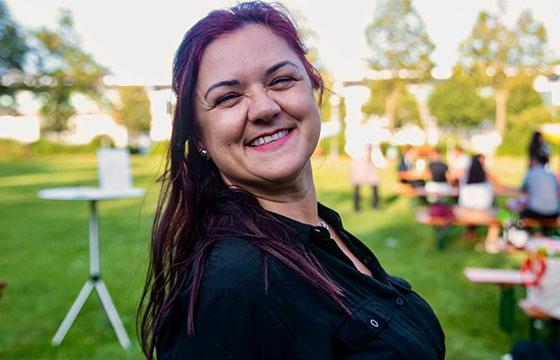
Adriana Bertini
Country: Brazil
Occupation: Artist, EcoSocial Studio, www.adrianabertini.com, @adribertini
Your artworks, “Feeling the invisible” and “artHIVism for you”, were selected as Global Village exhibitions at the conference. How did it feel to present your work and how did delegates receive them?
Art has the power to make the invisible visible. Presenting my work was an incredible experience as it sparked meaningful dialogue and challenged the way people view prevention and health. It was moving to see how art opened doors to conversations that often remain silenced. I also highlighted the urgent need to connect HIV discussions with the climate crisis and environmental impact. The response was overwhelmingly positive, and it was inspiring to witness the impact art can have when combined with science and activism.
How has attending AIDS 2024 influenced your work and the way you approach the HIV response in your community?
The conference provided me with fresh insights and a broader perspective on integrating art, health and sustainability. It also opened opportunities for me to present my work in new countries in 2025, allowing me to share my message on a global scale. The experience reinforced the importance of considering the environment when addressing health and HIV prevention.
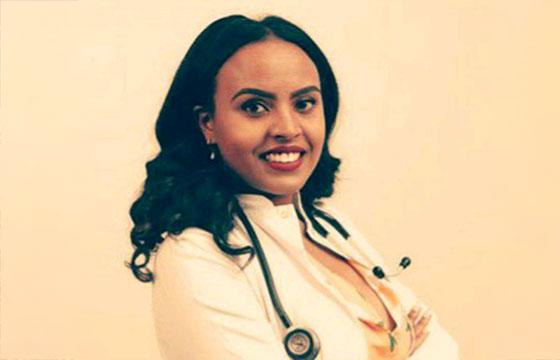
Mihret S Hailu
Country: Ethiopia
Occupation: Obstetrician-gynaecologist resident at Soddo Christian Hospital
This was your first time attending an AIDS conference. How was the experience for you?
I had the opportunity to learn about the latest advancements in HIV treatment, care and stigma reduction, and I was inspired by the global collaboration I witnessed. The conference reinforced my commitment to improving HIV care in rural Ethiopia and gave me a broader perspective on addressing challenges in resource-limited settings.
How have you applied knowledge and skills learned at AIDS 2024 since returning home?
I have already shared insights from the conference with my colleagues and community. For example, I am working on strategies to improve follow-up care for pregnant women on ART in rural areas. I also applied stigma reduction techniques I learnt from the conference in educating caregivers and healthcare workers in the community, emphasizing the importance of age-appropriate HIV disclosure and compassionate care.
Mihret S. Hailu’s scholarship was provided by the Educational Fund. Find out more about this programme here.
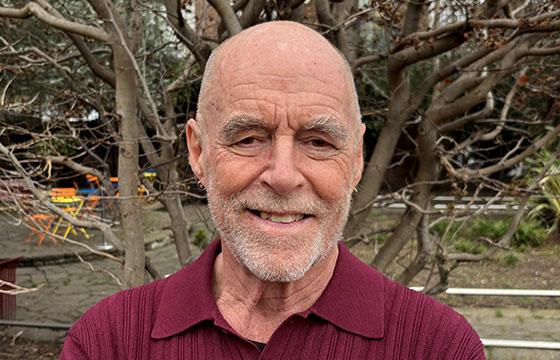
You’ve been to many IAS conferences during your career. How did you and your organization benefit from the networking possibilities at AIDS 2024?
ReShape and our partners hosted a series of activities before and during AIDS 2024 with the intention of launching a regionally diverse and collaborative global chemsex network. We engaged possible participants through existing networks and also through applying for abstracts to present and host a chemsex networking zone in the Global Village. Chemsex responders from Africa, Asia, Australia, Latin America, Europe, North America and the Middle East and North Africa participated as planners and presenters.
What have you been working on since then?
Since the conference, 10 participants in AIDS 2024 have played active roles in planning the soon-to-launch Global Chemsex Network. We’ve also been in touch with other AIDS 2024 participants at the European Harm Reduction conference and the Latin American Harm Reduction conference in Santos, Brazil, where, of course, we were able to meet new collaborators. The network is planned to launch in April.
IAS 2025, the 13th IAS Conference on HIV Science, is empowering people driving change in the HIV response through its scholarship programme. Applications for this year’s scholarships are closed – but it’s not too late to get involved. Find out how you can be part of the next global conversation and join us at IAS 2025!