
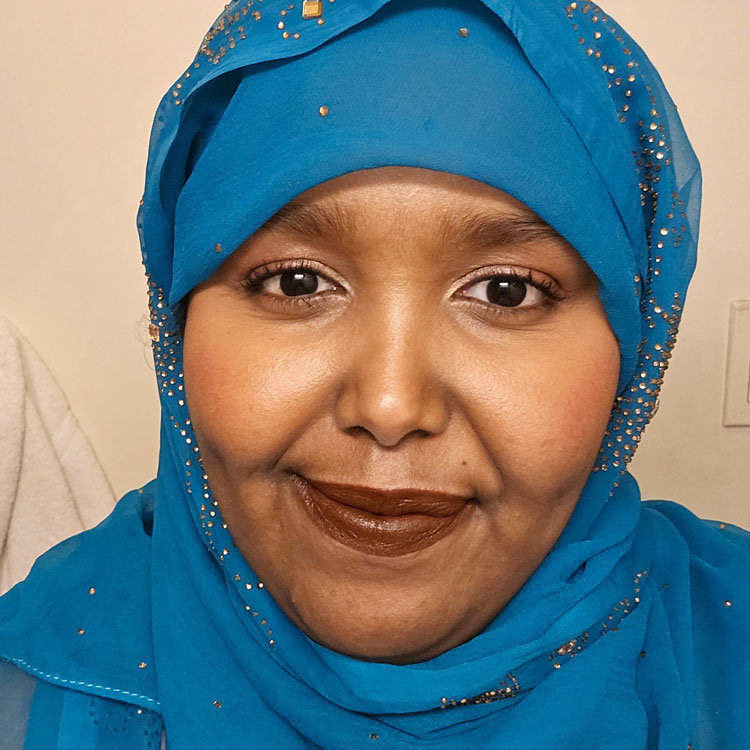
Organization: Women's College Hospital
Region: USA and Canada
Nationality: Canada
Country: Canada
Interests & expertise: Co-morbidities (NCDs, mental health, etc.)
Profession or occupation: Advocate/activist
What inspires you to work in the HIV field?
My passion for this work comes from a deep commitment to community, justice and systemic change. I am especially driven by supporting women and young people, ensuring that they have the resources, advocacy and empowerment needed to thrive. Structural barriers continue to shape health outcomes, and I believe in dismantling these obstacles to create equitable access to care. My work prioritizes amplifying lived experiences, ensuring that research, programmes and services are shaped by those most affected. I have dedicated my career to fostering spaces where young people and women living with HIV feel heard, valued and supported. Their resilience fuels my advocacy, pushing me to create programmes that are not just service-driven but truly transformative. It’s about more than access to care – it’s about fostering leadership, building community and ensuring that everyone has the tools to navigate and challenge systemic injustices. Their strength is my motivation, and their voices must lead the way.
What are your goals as an IAS change maker?
As an IAS change maker, my goal is to amplify the voices of young people and women living with HIV while driving real systemic change. I am committed to breaking barriers, ensuring that youth-led initiatives are at the centre in decision making. My focus is on building leadership, strengthening community networks and creating sustainable programmes that go beyond temporary solutions. I strive to create spaces for young people, ensuring that their unique experiences are acknowledged and addressed. Through healing-centred approaches, culturally relevant programming and linkage to care, I aim to support their transition into adulthood. My work also tackles systemic issues like health disparities, mental health, poverty and criminalization. By fostering leadership, advocating for policy change and connecting young people with resources, I want to ensure they not only survive but thrive. Young people should be included (they are often forgotten) – they must lead the future of the HIV response.