
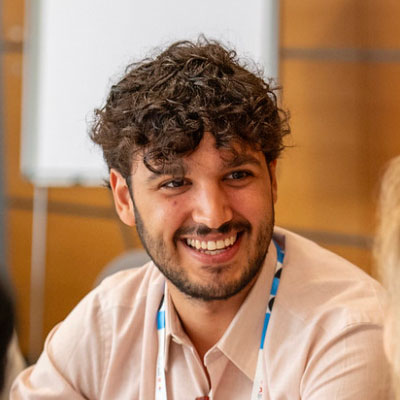
Organization: Brescia Checkpoint
Region: Europe
Nationality: Italy
Country: Netherlands
Interests & expertise: Community leadership
Profession or occupation: Advocate/activist
What inspires you to work in the HIV field?
My inspiration to work in the HIV field comes from experiencing and witnessing the profound impact of health inequities and stigma faced by marginalized communities, especially LGBTQI+ young people, from an early age. Seeing how systemic gaps in healthcare left entire populations vulnerable, I felt a deep responsibility to drive meaningful change. This motivation led me to volunteer and work with organizations like WOPLAH in Kenya, where I saw how financial empowerment initiatives could transform the lives of young people living with HIV. Similarly, my work as a community-led researcher in Peru, Ecuador and Colombia highlighted the importance of culturally sensitive, stigma-reducing strategies. My work with Plus Roma and PrEP in Italia, especially through community-led monitoring, grew from my deep commitment to advocating for PrEP access and ensuring that it is reimbursable. Each experience reinforced my commitment to creating health frameworks that prioritize the voices and needs of those most affected by HIV, strengthening my dedication to this field as a young advocate.
What are your goals as an IAS change maker?
As an IAS change maker, I aim to drive a community-centred approach in HIV advocacy and policy development, focusing on integrating the voices of those most affected. My goal is to use my experience to create culturally sensitive, evidence-informed interventions that enhance access to PrEP, sexual education and HIV services for LGBTQI+ young people and migrants. I aim to collaborate with other IAS Young Leaders to exchange insights and amplify innovative strategies.